If you cannot find a listing that meets all your needs on our site, no worries we will help you find one that does!
D i s c o v e r C o s t a R i c a ' s D i v e r s i t y
From seven vibrant provinces to indigenous tribes like the Brunca and Malekus, Costa Rica's regions tell rich stories that reflect the diverse cultures and histories that have shaped this beautiful country over the centuries. Each province is distinct, featuring unique landscapes, traditions, and local cuisines that invite exploration. The Brunca, known for their rich heritage and connection to the land, maintain customs that are deeply rooted in their ancestry, while the Malekus embrace a lifestyle that harmonizes with nature. Together, these groups contribute to the tapestry of Costa Rica, making it a destination not just for its stunning beaches and lush rainforests, but also for the deep cultural experiences that await those who seek to learn about its past and present.


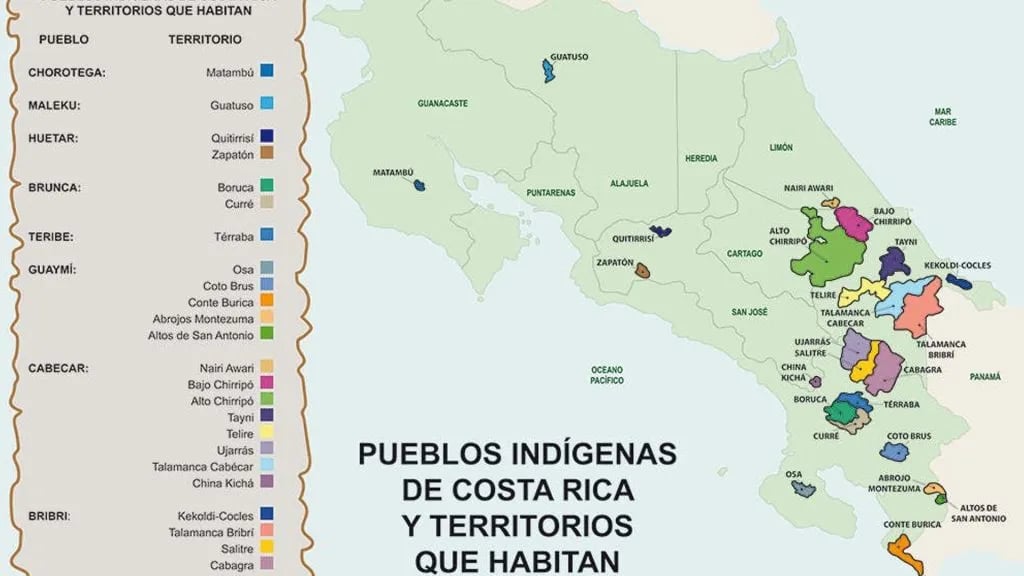
I n d i G e n o u s T r i b e s
According to a National Institute of Statistics and Census 2.4% of Costa Ricans identify themselves as indigenous. Approximately 80,000 people consider themselves to be part of the indigenous groups Bribri, Brunca or Boruca, Cabécar, Chorotega, Huetar, Maleku or Guatuso, Ngöbe or Guaymí, Teribe or Térraba. The majority of these individuals are currently living on of the 24 indigenous territories that currently exist in Costa Rica, each possessing unique cultural and historical significance.
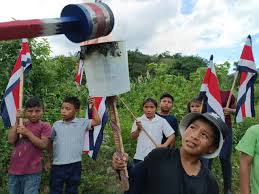
Indigenous territories as a whole are land designated for indigenous people, but those lands are not legally allowed to be sold; instead, they are intended to be shared among the community and not individually owned. Non-indigenous people have historically ignored and threatened this law, leading to conflicts and struggles over land rights that have modern implications. It is crucial for society to recognize the rights of indigenous people and support their efforts in preserving their cultural heritage and sustaining their ways of life. These lands are not just pieces of real estate; they hold deep spiritual and cultural significance for the indigenous communities, guiding their traditions and way of living. The ongoing threats to these territories reflect larger systemic issues related to the rights of indigenous populations across the globe.
N A T I O N A L S Y M B O L S O F C O S T A R I C A
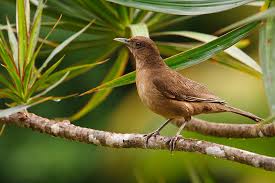
Costa Rica is full of diversity and beautiful symbolic images that reflect its rich culture and stunning landscapes. From the lush rainforests to the pristine beaches, every corner of this vibrant country tells a unique story, showcasing a variety of flora and fauna as well as the warmth and hospitality of its people.


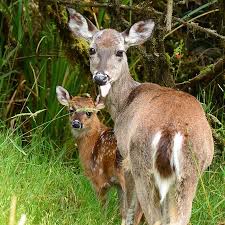
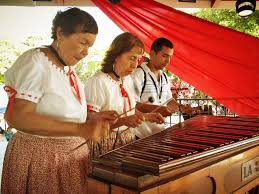
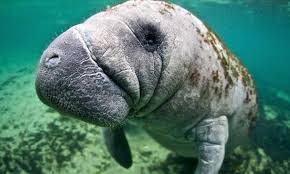
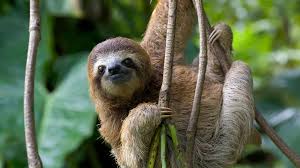
EL OSO PEREZOSO
EL MANATí
LA MARIMBA
EL VENADO COLA BLANCA
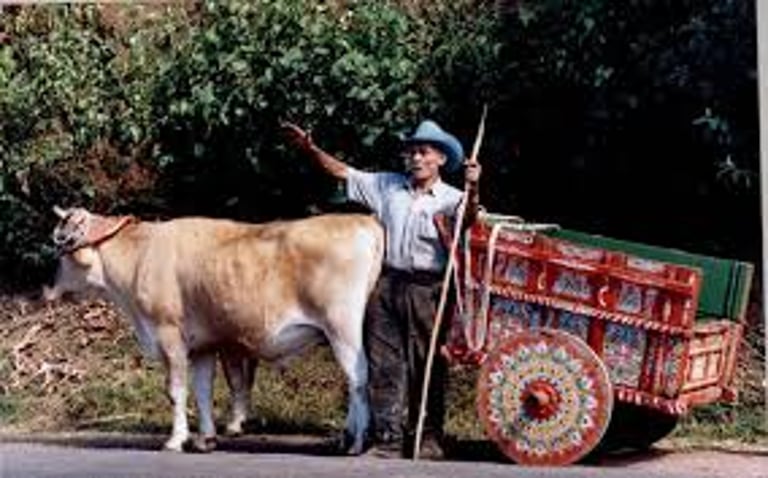
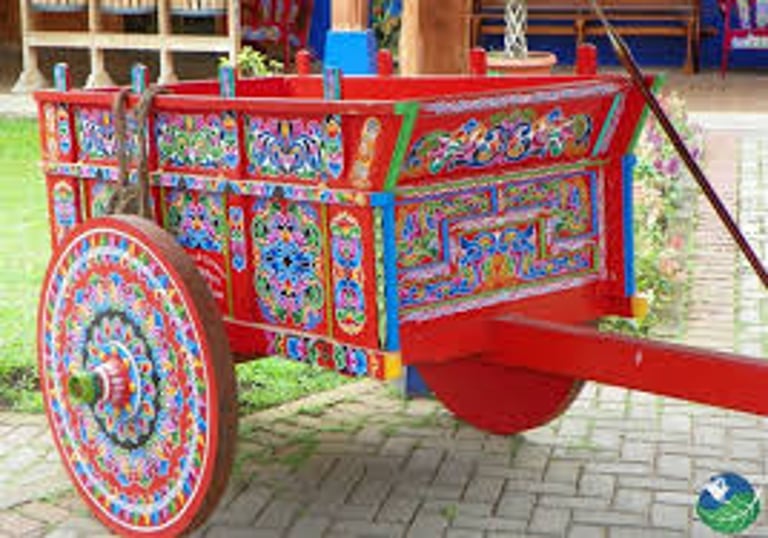
LA CARRATERA TíPICA
LA GUARIA MORADA
EL YIGüIRRO
LA ANTORCHA DE LA INDEPENDENCIA
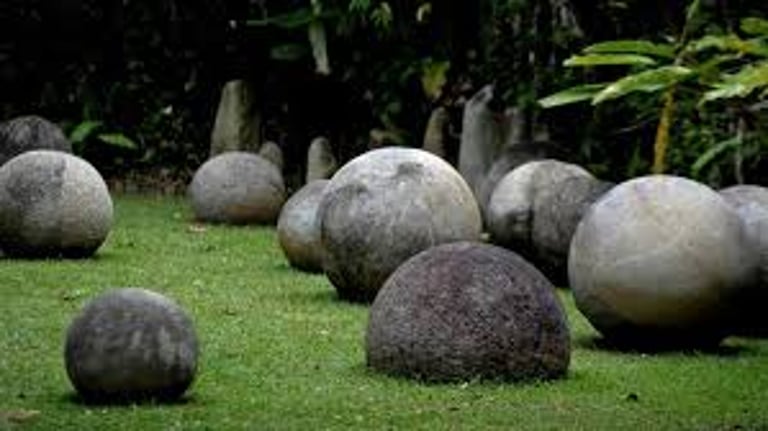
LAS ESFERAS PRECOLOMBINAS
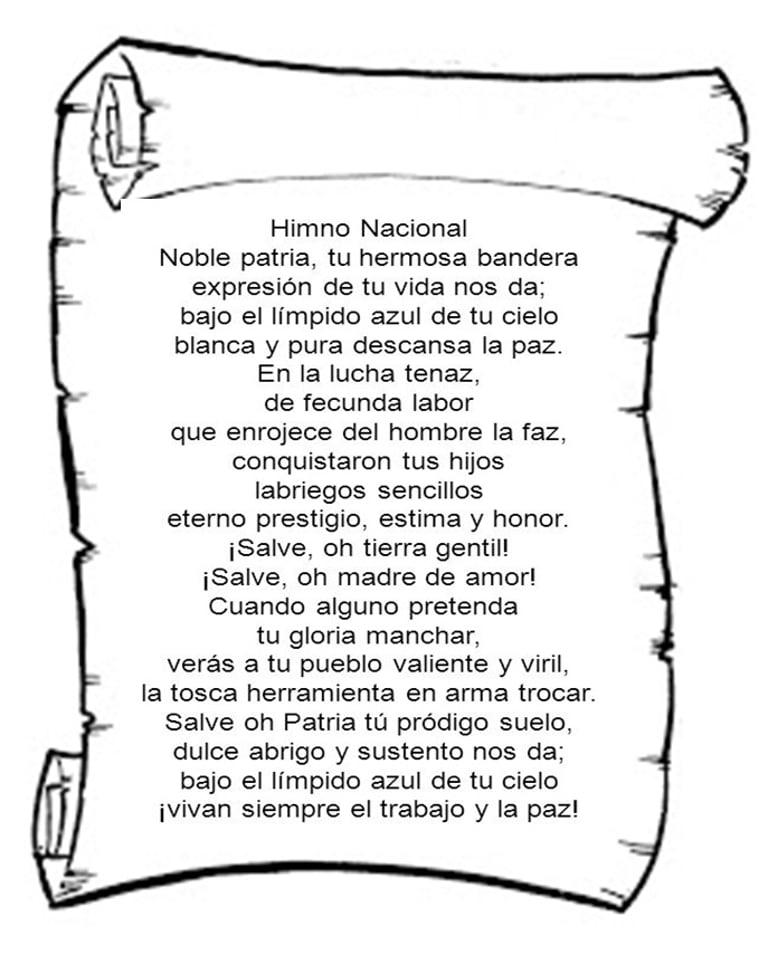
LA HIMNO NACIONAL
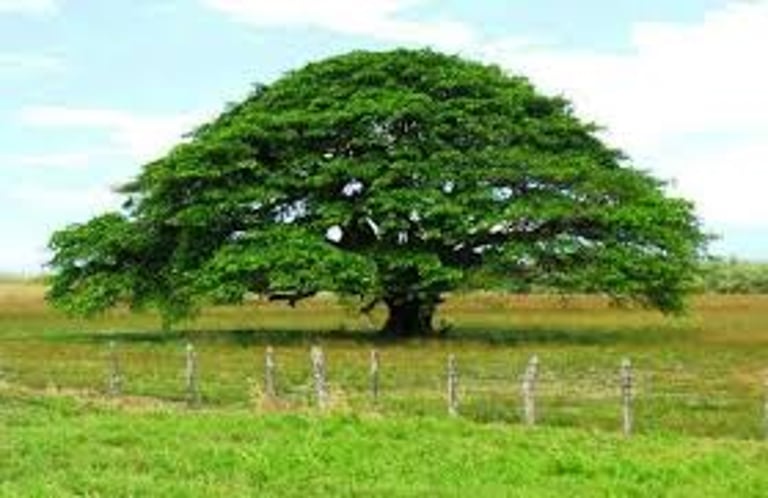
EL ARBOL DEL GUANACASTE
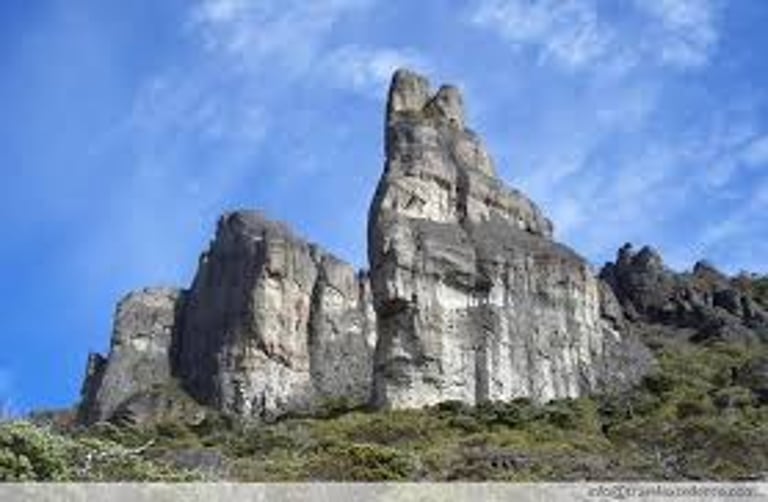
LOS CRESTONES
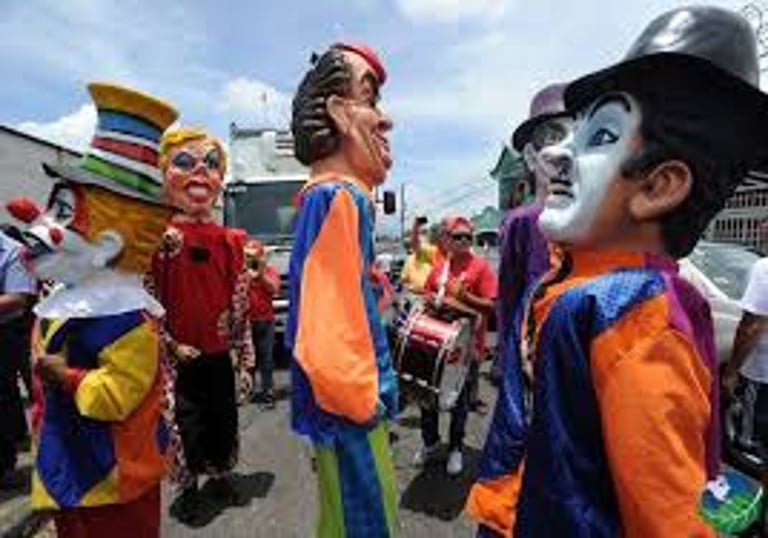
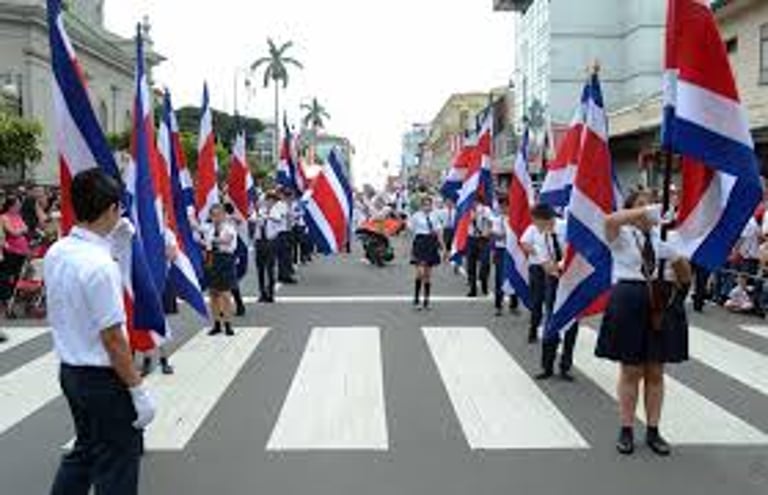
LAS MASCARADAS
BOYEO TRADICIÓN
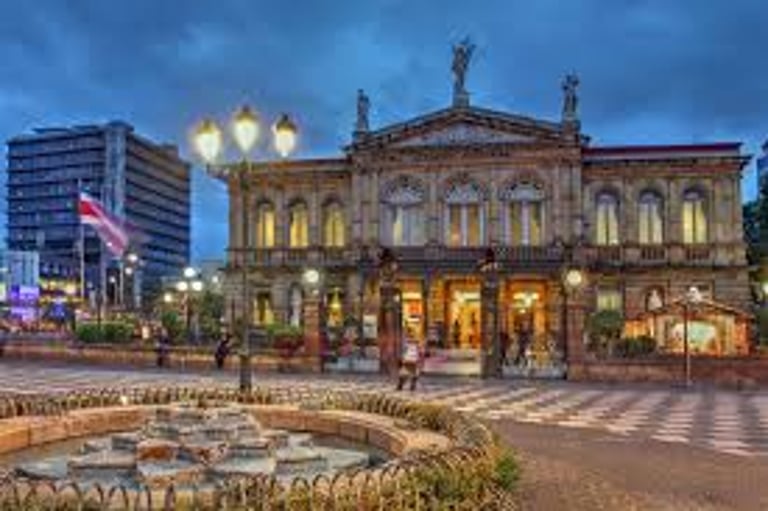
EL TEATRO NACIONAL
M O N U M E N T S
A N D
T R A D I T I O N S
LA CARRATERA TíPICA
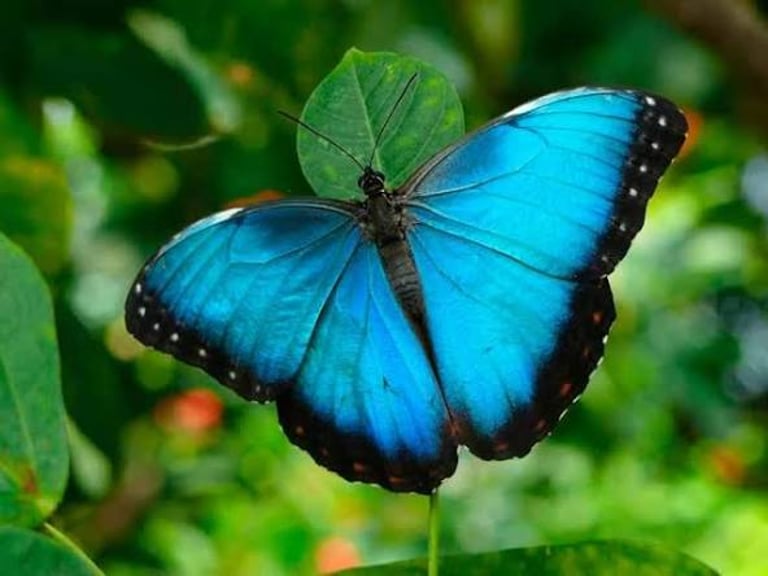
MARISPOSA MORPHO
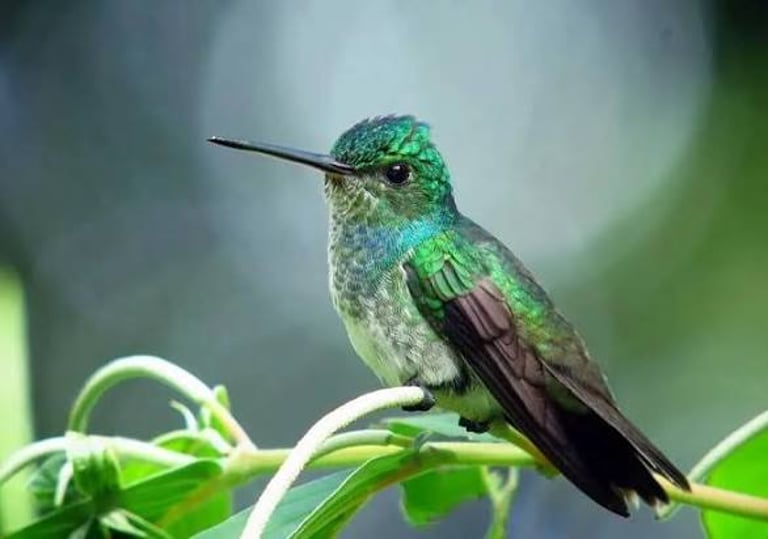
EL COLIBRÍ
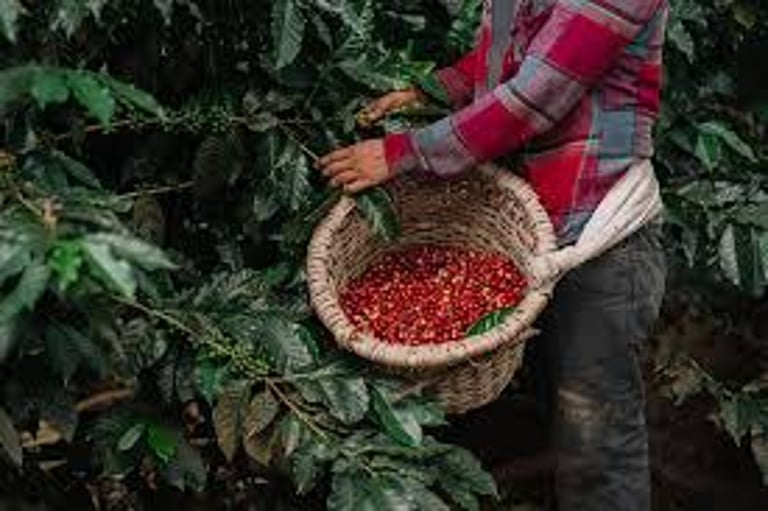
GRANOS DE CAFÉ
C o s t a R i c a
Seven provinces and indigenous tribes shape Costa Rica’s rich cultural and geographic landscape, each contributing to a unique tapestry of traditions, languages, and customs that reflect the diverse heritage of the nation. From the misty mountains of the Central Valley to the pristine beaches of the Pacific and Caribbean coasts, Costa Rica's provinces offer a stunning variety of ecosystems and natural beauty. Each tribe carries its own history and stories that enrich the overall identity of the country, making it a vibrant destination for those interested in exploring not just the physical landscapes but also the cultural narratives that have evolved over centuries.
L o c a t i o n
Central America, bordered by Nicaragua and Panama
H o u r s
Mon-Fri 9am-5pm

Costa Rica
Explore the diverse provinces and rich indigenous cultures that shape this vibrant country.
FAQs
How many provinces?
Costa Rica has seven provinces including: San José, Puntarenas, Cartago, Alajuela, Guanacaste and Limón.
What are the tribes?
There are indigenous groups like Brunca, Bribris, Huetares, Malekus, and Chorotegas.
Do tribes still exist?
Yes, indigenous tribes continue to live in their traditional regions across Costa Rica.
Puntarenas is the largest province by area in Costa Rica.
Which province is largest?
Is education regional?
Educational resources vary between provinces and indigenous territories.